
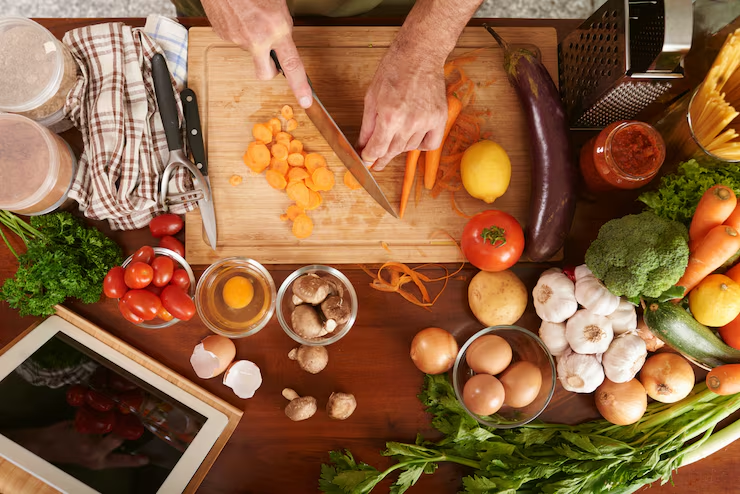
Home cooking has never been so ambitious. With an abundance of cooking videos to watch past our bedtimes, we are more inspired in the kitchen than we have ever been before. Grocery stores stock kewpie mayo, truffle oil, Calabrian chili and hot honey right beside the ketchup.
Despite the availability of fancy ingredients, sometimes homemade meals still taste… flat. Not bad, just unfinished. The issue is not skill, nor is it a lack of expensive equipment. It is the small details that professional kitchens obsess over – texture, seasoning, temperature, experimentation and timing. Home cooks tend to hyper focus only on getting the recipe right.
But the difference between a decent dinner and one you look forward to eating for leftovers usually comes down to a few of these overlooked details and flourishes. They may seem simple, but these five things can make your food feel brighter, balanced and intentional.
1. Salt
A lot of home cooking tends to be under seasoned. Not because people don’t use salt at all, but because they use it too cautiously or too late. Salt not only adds, well, saltiness, but it enhances flavors and balances bitterness. Be not afraid! Unless you’re a snail.
Timing matters just as much as quantity. Salting food early and seasoning as you go – not just at the end – ensures deep, even distribution because it gives the salt time to penetrate. Pasta water should be salty. Meat also benefits from being salted ahead of time, even if it’s just 30 minutes before cooking.
Texture matters, too. Fine kosher salt dissolves seamlessly into sauces and soups. Some recipes benefit from a flaky finishing salt, scattered over roasted veggies, chocolate chip cookies or grilled fish, adding both crunch and bursts of flavor.
Still wary of over salting? Taste as you season. Better yet, employ a loved one as your designated taste tester.
2. Acid
If your food still feels like it’s missing something after you added salt or sugar, there is a good chance it could use an acid – rice vinegar, red wine vinegar, citrus, balsamic, dijon mustard… the possibilities are endless.
The goal is not to make your food sour. Like salt, acid brightens up dishes and enhances ingredients.
Other than adding flavor, acids can be used to tenderize proteins, hence why many marinades use lemon juice or vinegars. In some cases, like with ceviche, acids can be used to “cook” proteins.
One thing to note about acid is that its potency tends to fade when introduced to heat. It is sometimes good practice to add acidic ingredients last, like a squeeze of lemon or dash of vinegar.
3. Texture
A bit of textural contrast goes a long way. Meals that lean soft on soft, like creamy pasta with soft bread, mashed potatoes and braised meat or soup with tender vegetables may be comforting. But exciting? Not always.
Think crispy edges against creamy interiors. Crunchy toppings sprinkled over silky soups. Contrasts like these are what make restaurant dishes feel more dynamic, even when ingredients are kept simple.
One of the easiest upgrades is adding crunch wherever possible. Toasted breadcrumbs instantly improve pastas and casseroles. Fried shallots are great additions to rice bowls, veggies, soups and even fried eggs. Roasted nuts, seeds, crispy chickpeas and thinly sliced raw vegetables are ideal for salads.
The best part is that adding texture is convenient. Got some almonds in your pantry? Old bread? Just as a good comedian knows their audience, a good chef knows their kitchen cabinets.
4. Heat
One of the biggest differences between experienced cooks and beginners is their understanding of heat and temperature.
A recipe might instruct readers to “cook onions for five minutes.” But cook at what temperature? Until translucent? Until fragrant?
Patience is key. Let pans get hot before adding ingredients. Avoid stirring constantly if you’re trying to sear something. Give ingredients with high water content, like mushrooms or zucchini, time to release moisture and brown.
It’s also important to remember that different ingredients cook at different times. If you’re cooking on high heat, add your garlic last. Garlic burns fast. Too little heat, and your vegetables will end up steaming instead of browning.
Then there’s carry over cook time. Meat, for instance, continues cooking after it leaves the stove or oven. Pull your steak from the heat a little earlier than your ideal temperature and let it continue cooking as it sits on a cutting board.
5. Confidence
Recipes are useful, but they shouldn’t be referenced as strict instruction manuals. It is okay to follow a recipe word for word the first time you make it – you should learn the rules before breaking them. But with improvisation and experimentation, which gets easier with practice, you can make any dish your own.
Maybe the onions you’re sauteeing look like they could use a bit more color, past the recipe’s 10 minute mark. Maybe you want to add a bit more garlic to your stew. Perhaps you have fresh jalapeños you want to use instead of dried chili flakes.
Texture, smell, color and sound matter just as much as measurements. Trust your senses!

Leave a Reply