
In Canada’s federal election on April 28, 2025, Mark Carney’s Liberal Party won enough seats to form a minority government. His main rival , Conservative leader Pierre Poilievre, lost his seat as did Jagmeet Singh, leader of the New Democratic Party (NDP).
Prime Minister Carney, who assumed leadership in early March following Trudeau’s resignation, now faces the challenge of governing without a majority in the House of Commons. While the Liberals won more seats than any other party (169 out of 338), they did not reach the 170-seat threshold required to form a majority government. This means Carney will have to negotiate with opposition MPs to pass legislation, navigate confidence votes, and maintain stability in a divided Parliament.
But with both the Conservatives and NDP now in leadership turmoil, after both Poilivere and Singh lost their seats, Carney may have an early advantage. A weakened opposition could allow his minority government to set the agenda with relatively little pushback in the short term. However, the coming months will test his ability to build alliances, especially as new opposition leaders emerge.
This year’s results showed a dramatic shift in vote share compared to the 2021 federal election. Both the Liberals and the Conservatives significantly increased their share of the national vote, while support for smaller parties, like the Green Party and Bloc Quebecois, declined sharply. But the NDP saw the steepest drop, of nearly 16 percentage points. Many observers attribute this collapse to discontent with Singh’s leadership and the party’s struggle to define a clear platform.
The surge in Liberal support suggests that centre-left voters coalesced around the party, likely driven by renewed energy following Trudeau’s departure and a more focused campaign under Carney’s leadership. The strengthened Conservative vote, meanwhile, signals growing support across right-leaning regions, particularly in the Prairies (Alberta, Saskatchewan, and Manitoba), and parts of rural British Columbia and Ontario.
Geographically, the Liberals secured strongholds in key battleground provinces. They gained the most seats in the key provinces of Ontario and Quebec, which account for 200 of Canada’s 343 electoral districts.
In Alberta, the Conservatives dominated, winning 34 of 37 seats. British Columbia proved more competitive, with the Liberals narrowly leading the Conservatives 20 seats to 19. These areas responded strongly to the party’s messaging on economic growth, energy independence, and skepticism toward federal climate regulations. While this boost wasn’t enough to secure a path to government, it reinforces the party’s dominance in Western Canada and sets the stage for renewed efforts to expand their appeal nationally.
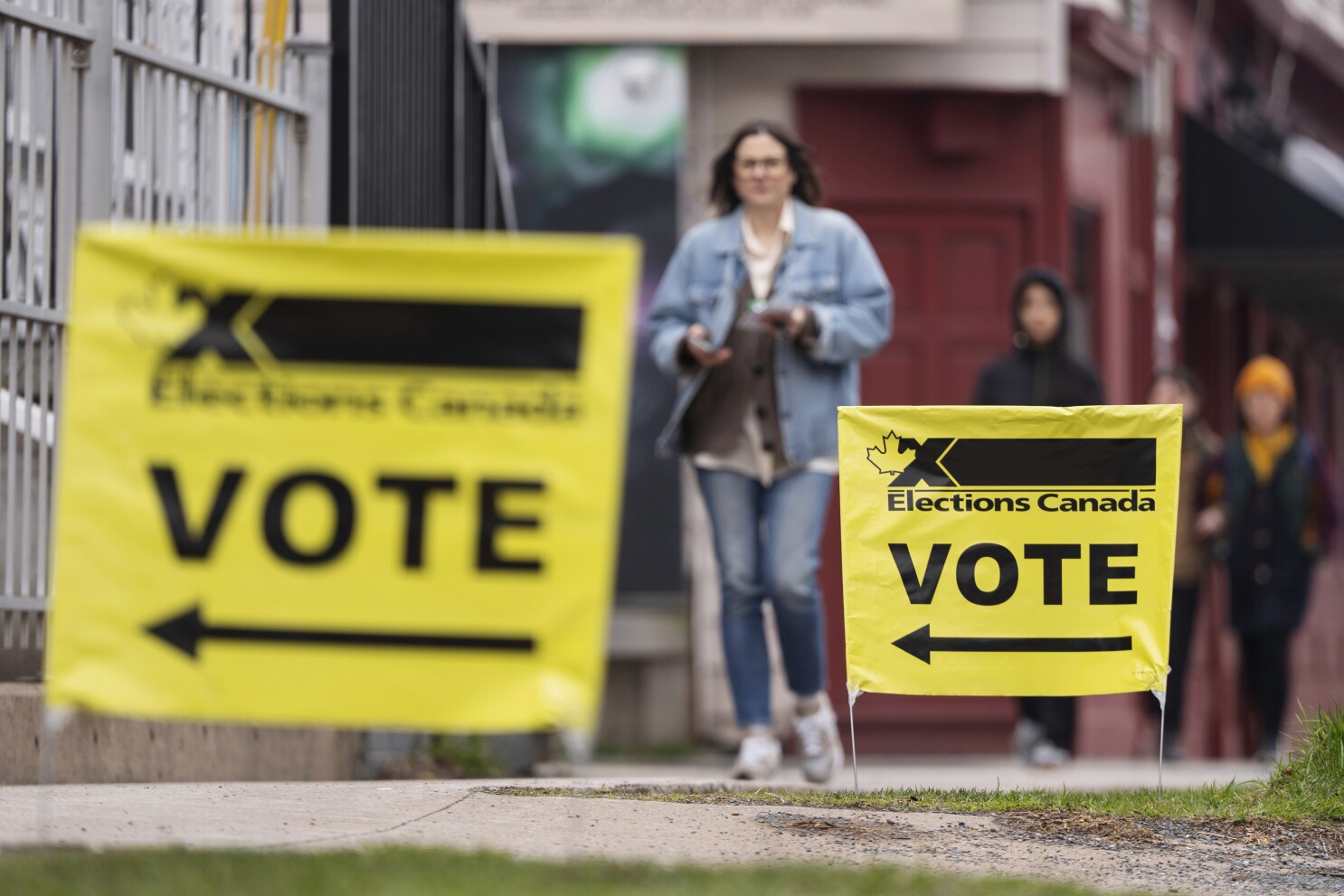
This election also saw a surge in voter engagement. More than 7 million Canadians cast their ballots in advance — a new record for early turnout, according to Elections Canada. Overall turnout exceeded that of the previous two federal elections.
Analysts attribute the surge in voter participation to widespread frustration over affordability, housing, and climate inaction as key motivators. As well, the effect of global politics, particularly the return of President Donald Trump and his recurring threats towards Canadian sovereignty, certainly energized voters.
As Carney prepares to govern in a fractured House of Commons, the 2025 election results reflect a country reenergized but sharply split. How Carney navigates this divided landscape will define not only his leadership, but the direction of Canadian politics in the years to come.


Leave a Reply