
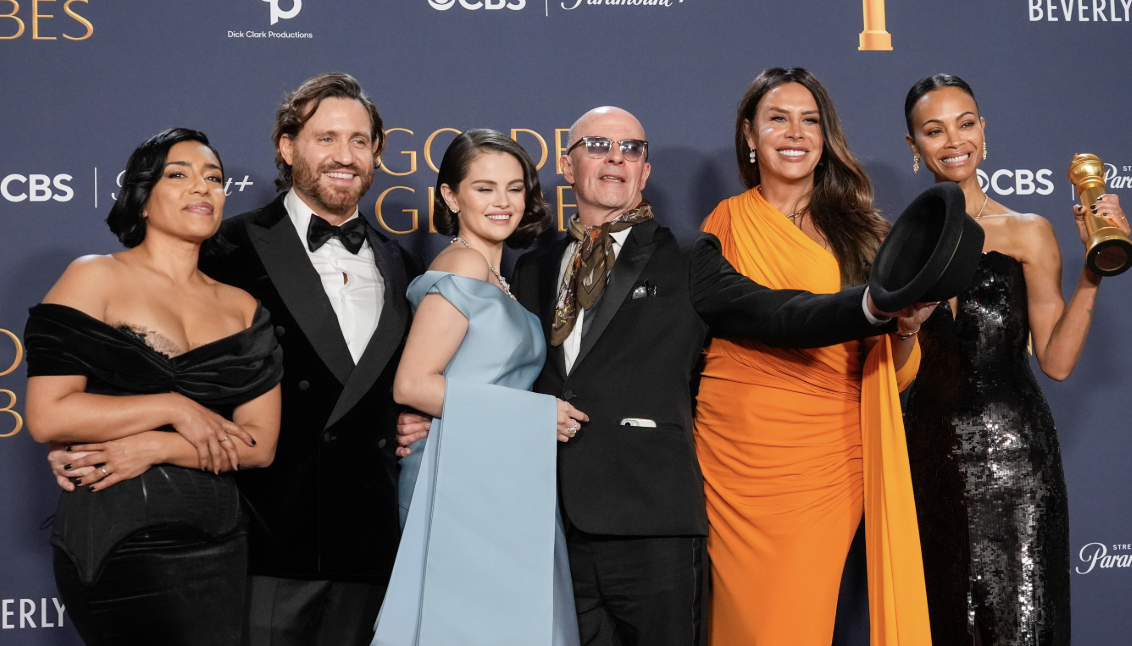
Tonight, Hollywood prepares to crown its biggest winners at the Academy Awards. This year’s nominees feature a diverse selection of films. Cynthia Erivo is nominated for Best Actress for her role in Wicked, positioning her one step closer to the prestigious EGOT (Emmy, Grammy, Oscar, and Tony). Emilia Pérez, a Spanish musical drama, has 13 nominations, including Best Picture. In the Best Supporting Actress category, Ariana Grande and Zoë Saldaña will compete, with Saldaña having won in nearly every prior awards show this season.
Even with its strong presence in nominations, Emilia Pérez has been one of the most polarizing films of the year. The musical, which follows a Mexican drug lord undergoing gender-confirming surgery with the help of a struggling attorney, swept the Golden Globes, despite a dismal audience score of 16% on Rotten Tomatoes.
Do Award Shows Reflect Public Taste?
The disconnect between award show recognition and audience reception is nothing new. In 2019, Green Book won Best Picture despite criticism of its outdated racial narrative. Similarly, in 1999, Shakespeare in Love triumphed over the widely beloved Saving Private Ryan.
This year’s Best Picture nominees have received varied reactions from critics and audiences. While films like Dune: Part Two and Anora have earned high audience scores, Emilia Pérez has struggled to connect with the public. The ongoing disparity raises questions about whether the Academy prioritizes artistic merit over general audience sentiment.
The Free Press has referred to Emilia Pérez as the ultimate example of “Oscar bait” — a film that appeals more to industry insiders than to mainstream audiences. While its social themes may have resonated with voters, queer and trans audiences found the portrayal of the transition process shallow and strange, according to GLAAD. While the film might superficially appear as progressive, its portrayal of both trans people and Mexicans is negative and stereotypical, and many think it’s doing more harm than good.
The Case for Movie Musicals
Beyond awards politics, the discussion extends to the broader state of movie musicals. Emilia Pérez had an opportunity to showcase the strengths of the genre but instead faltered due to an underdeveloped and awkward score. Songs like La Vaginoplastia fail to enhance the story and detract from its emotional sincerity. This represents a missed opportunity, as music could have served as a unifying element in an otherwise disjointed film.
Historically, musicals have struggled at the Oscars. Out of 97 total Best Actress awards, only five have been won for performances in musicals.
When musicals do succeed, however, they leave a lasting cultural impact. Julie Andrews (Mary Poppins, 1964), Barbra Streisand (Funny Girl, 1968), and Liza Minnelli (Cabaret, 1972) delivered performances that became iconic. More recently, Emma Stone’s win for La La Land (2016) and Renée Zellweger’s portrayal of Judy Garland in Judy (2019) continued the tradition.
Yet, Emilia Pérez has done little to bolster the reputation of musicals in the awards circuit. Controversy has dominated discussions about the film, particularly surrounding lead actress Karla Sofía Gascón. Old social media posts containing offensive remarks about George Floyd, Islam, and the Oscars resurfaced, leading Netflix to distance itself from her awards campaign. The backlash has also fueled criticism of the film’s portrayal of Mexican drug-related violence, lack of Mexican representation in its casting, and the director’s dismissive comments regarding the region’s struggles. These controversies have cast even more uncertainty over Emilia Pérez’s Oscar prospects.
The Future of Movie Musicals at the Oscars
Musicals remain one of the most distinctive and emotionally resonant genres. They offer a form of storytelling that extends beyond dialogue, using music to heighten emotion and deepen narrative impact. When executed well, as seen in Best Picture wins of Cabaret (1972) or My Fair Lady (1964), they become timeless classics.
By contrast, Emilia Pérez demonstrates how a musical can fall short when it fails to utilize its strengths. The film’s critical success and award season sweep should not overshadow the broader potential of the genre. Thoughtfully crafted movie musicals have the power to captivate audiences, blending music and storytelling in a way few other genres can. Regardless of tonight’s results, the future of the movie musical can be bright, so long as filmmakers continue to treat the genre with care and creativity.


Leave a Reply